

Google Bard: Chatting with AI Has Never Been So Hilarious
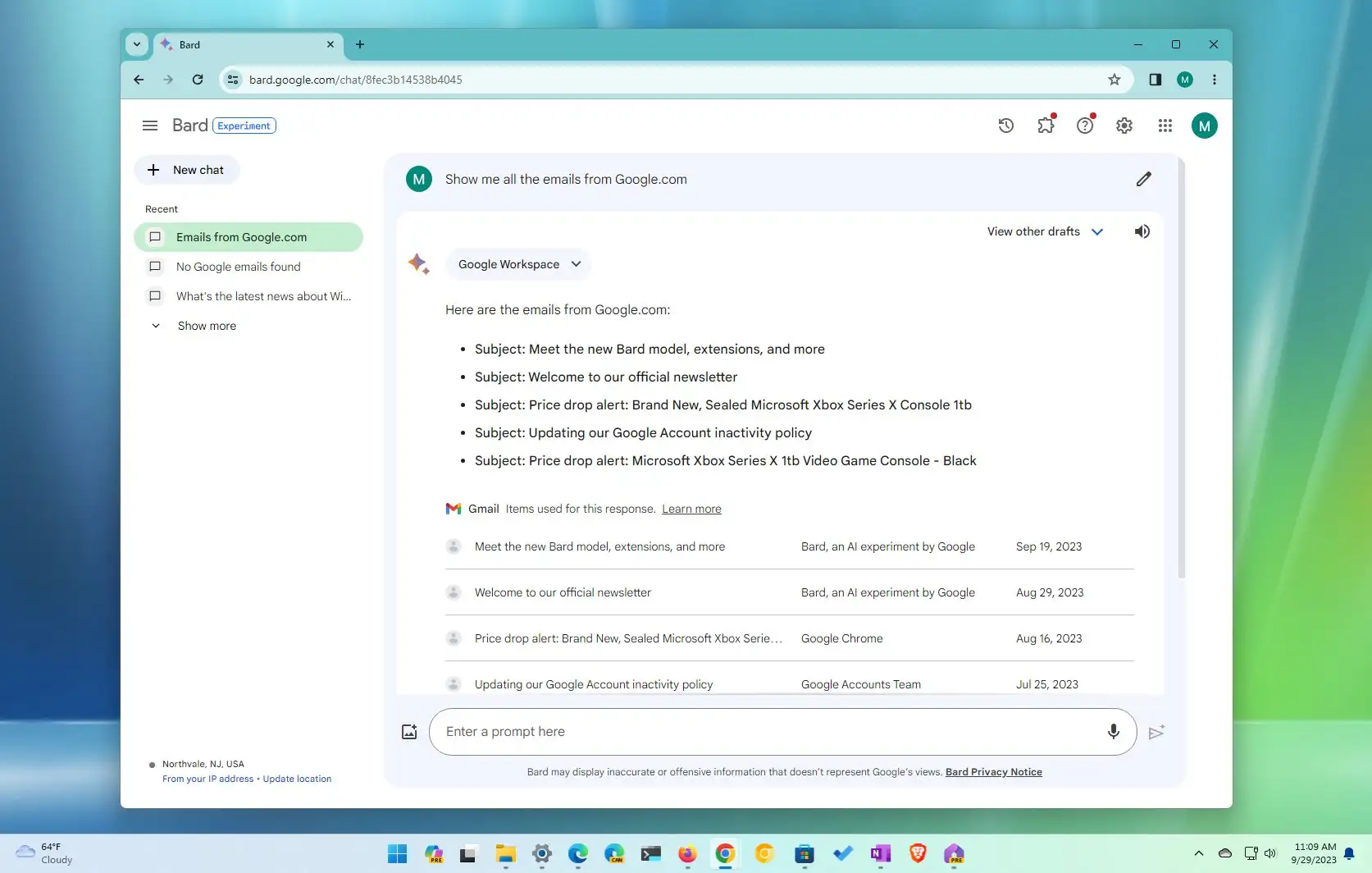
In the ever-evolving world of technology, artificial intelligence (AI) continues to surprise us with its capabilities. One such example is the Google Bard, an AI-powered chatbot that is revolutionizing the way we interact with AI. With its wit, humor, and capacity to interact in entertaining conversations, the Google Bard is choosing chatting with AI not solely informative but also incredibly hilarious.
The Google Bard, developed by Google's AI research division, is an AI chatbot designed to chat about a wide range of topics and engage in light-hearted banter with users. Unlike traditional chatbots that provide simple solutions to specific questions, the Google Bard has been programmed to reply in a conversational manner, simulating human-like exchanges.
The hilarity ensues when users interact with the Google Bard, as it consistently surprises them with its witty and generally unexpected responses. Whether you're discussing current events, asking for recommendations, or partaking in playful banter, the Google Bard won't disappoint in delivering amusing and often comical replies.
One of the aspects that sets the Google Bard apart from other chatbots is its ability to understand context and adapt its responses accordingly. It can pick up on nuances in conversations and provide relevant answers that not only tackle the user's query but also inject a touch of humor. This contextual understanding adds an element of surprise and amusement to the overall chatting discover.
Furthermore, the Google Bard's sense of humor shines via in its ability to generate jokes, puns, and clever wordplay. From light-hearted one-liners to pun-filled quips, interacting with the Google Bard will undoubtedly leave you chuckling. Its jokes align with various topics, ensuring that it always has something amusing up its digital sleeve. The AI's ability to generate jokes demonstrates its sophisticated language processing and contextual comprehension expertise.
Beyond its comedic prowess, the Google Bard is also a valuable supply of news. Users can ask questions about a wide vary of subjects and receive informative answers. The chatbot utilizes Google's vast database and AI algorithms to provide correct and up-to-date information. So, not only can you engage in humorous repartee with the Google Bard, but you can also learn something new in the process.
The entertainment factor of interacting with the Google Bard lies not only in its wit, but additionally in its ability to adapt to different conversational styles. Whether you're someone who likes to engage in playful banter, ask for advice, or simply have a casual conversation, the Google Bard is flexible enough to accommodate various conversational preferences. This adaptability ensures a personalized and enjoyable chatting embrace for each user.
As with any AI technology, the Google Bard is continuously learning and evolving. Its developers are constantly refining its algorithms and expanding its knowledge base to present a further immersive and amusing explore for users. This commitment to improvement ensures that future interactions with chatbots like the Google Bard will continue to be extra entertaining and engaging.
In conclusion, the Google Bard brings a new level of humor and entertainment to AI-powered chatbots. Its capacity to engage in witty conversations, generate jokes, and present informative answers makes chatting with AI an enjoyable experience. As this expertise continues to advance, we can expect even more amusing engagements with AI chatbots, further blurring the lines between human-like conversations and AI interactions. So, embrace the laughter and engage into the world of AI banter with the Google Bard.
Building Chatbots for Particular Industries: Best Practices
Introduction:
In recent years, chatbots have become increasingly popular, transforming the method businesses immerse with their customers. These automated systems have the power to enhance buyer service, streamline operations, and drive business growth. However, when it comes to building chatbots, one size does not fit all. Different industries have unique requirements and standards that must be taken into consideration to ensure the success of a bot implementation. In this article, we will test the best practices for building chatbots tailored to specific industries, allowing businesses to harness the full potential of this technology.
Understanding the Industry Landscape:
Before embarking on the journey of creating a chatbot, it is crucial to gain a deep understanding of the industry it will serve. Research and analyze the gateway players, target audience, trends, pain points, and language patterns specific to that industry. This information will lay the groundwork for a profitable chatbot strategy.
Defining the Chatbot's Purpose:
Once you have a thorough understanding of the industry, define the purpose of the chatbot. Is it aimed at providing customer support, driving sales, or automating repetitive tasks? By pinpointing the chatbot's primary function, you can develop a focused conversational flow that addresses the express needs of the industry.
Leveraging Pure Language Processing (NLP):
Natural Language Processing (NLP) is a crucial component in building chatbots that can effectively understand and respond to user queries. By utilizing NLP, chatbots can comprehend the intent behind a user's message, regardless of the phrasing or the use of slang. This capability supercharges user witness and allows for more accurate responses.
Creating Industry-Specific FAQs:
Developing industry-specific Often Requested Questions (FAQs) is an essential step in building a chatbot. By identifying common queries and offering pre-set responses, chatbots can quickly address routine customer concerns. Incorporating industry terminology and tailoring the FAQs to specific pain points will guarantee that the chatbot delivers relevant and accurate information.
Embracing Personalization:
Personalization is key when it comes to chatbots in categorical industries. By collecting and analyzing consumer data, chatbots can provide customized suggestions, offers, and solutions. This level of personalization not only improves the person experience but also helps businesses to nurture customer relationships and drive buyer retention.
Integration with Existing Systems:
Chatbots should seamlessly integrate with existing systems and software within an industry. Whether it's customer relationship management (CRM) systems, e-commerce platforms, or inventory management systems, a chatbot that nicely syncs with these instruments can provide real-time information and enhance general operational efficiency.
Steady Learning and Improvement:
Building chatbots for specific industries is an iterative process. It is crucial to provide a feedback loop that collects user interactions and comments to continuously refine the chatbot's performance. By monitoring conversations and exploring user feedback, businesses can identify areas of enchancment and continuously update the chatbot's knowledge base.
Multi-Channel Integration:
Chatbots are not limited to a single channel. It is essential to integrate chatbot functionality across multiple platforms – websites, cell apps, social media, and messengers. By doing so, businesses can meet clients where they are, offering a consistent experience across various touchpoints.
Keeping Ethics and Privateness in Mind:
As chatbots handle sensitive customer knowledge, ethical considerations and privacy protection must be at the forefront of their improvement. Chatbots for specific industries must adhere to industry-specific regulations and guidelines to ensure the security and privacy of user information.
google ai bard Conclusion:
Crafting chatbots for categorical industries requires a strategic formula, maintaining in mind the unique wants and challenges of each industry. By grasp the industry landscape, defining the chatbot's purpose, leveraging NLP, creating industry-specific FAQs, embracing personalization, integrating with existing techniques, continuously studying, elevates multi-channel integration, and prioritizing ethics and privateness, businesses can create chatbots that deliver exceptional user experiences and drive business excellence. The tomorrow of chatbots holds endless possibilities, and by implementing best practices, businesses can harness the entire potential of this powerful expertise.